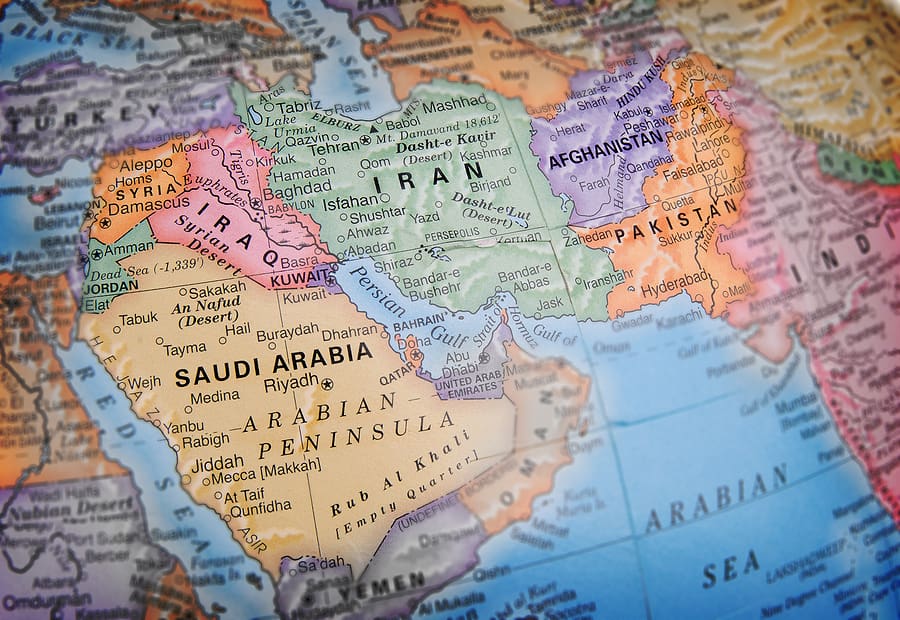
The ongoing tensions surrounding Iran have significant implications for global economic stability, particularly concerning growth and inflation. As geopolitical conflicts intensify, the risk of disruptions in oil supply escalates, exerting upward pressure on crude prices. Higher oil costs can lead to inflationary spirals, impacting consumer prices worldwide. Iran, a key player in the global energy market, finds its economy under duress from sanctions and military posturing; this creates uncertainty that further stifles investment and economic growth.
Businesses globally are forced to reevaluate their strategies in response to these pressures, often leading to reduced consumer spending and slowed economic expansion. The ripple effects are felt across industries, from energy to manufacturing, as companies contend with rising production costs and supply chain disruptions. Consequently, both emerging and developed economies are experiencing heightened inflation fears, complicating monetary policy as central banks strive to balance growth with rising prices. This precarious situation underscores the intricate link between geopolitical events and economic health.
For more details and the full reference, visit the source link below: