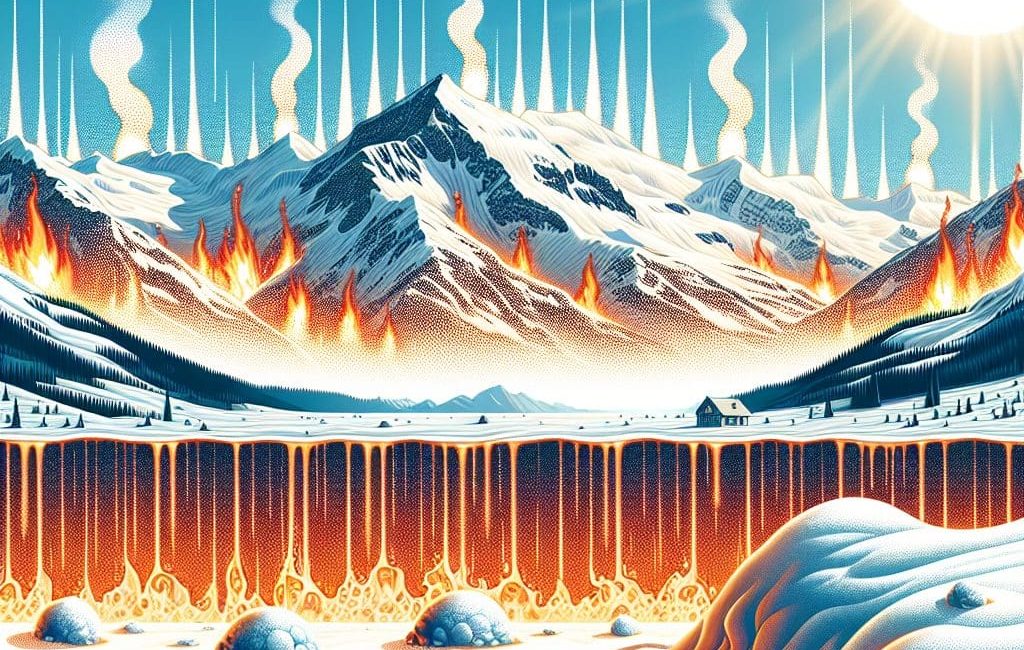
In British Columbia, heatwaves significantly elevate avalanche risk during what is typically a hazardous month for winter sports enthusiasts. Increased temperatures can trigger rapid snowmelt and weaken the stability of snowpacks, particularly at higher elevations where layered snow accumulations exist. January and February are notorious for their avalanche dangers, and unusual warmth can create a perfect storm for instability. This phenomenon is exacerbated by the presence of new, wet snow falling on top of existing layers, increasing the likelihood of slides.
Skiers and snowboarders are urged to exercise caution and stay informed about current conditions. Local avalanche forecasts provide critical insights into the stability of slopes, and it’s essential for outdoor enthusiasts to heed warnings and advisories. Awareness and preparedness are key; understanding how heat affects snowpack dynamics can help mitigate risks. As climate patterns change, these phenomena may become more frequent, necessitating a reevaluation of safety measures in mountainous regions.
For more details and the full reference, visit the source link below: