
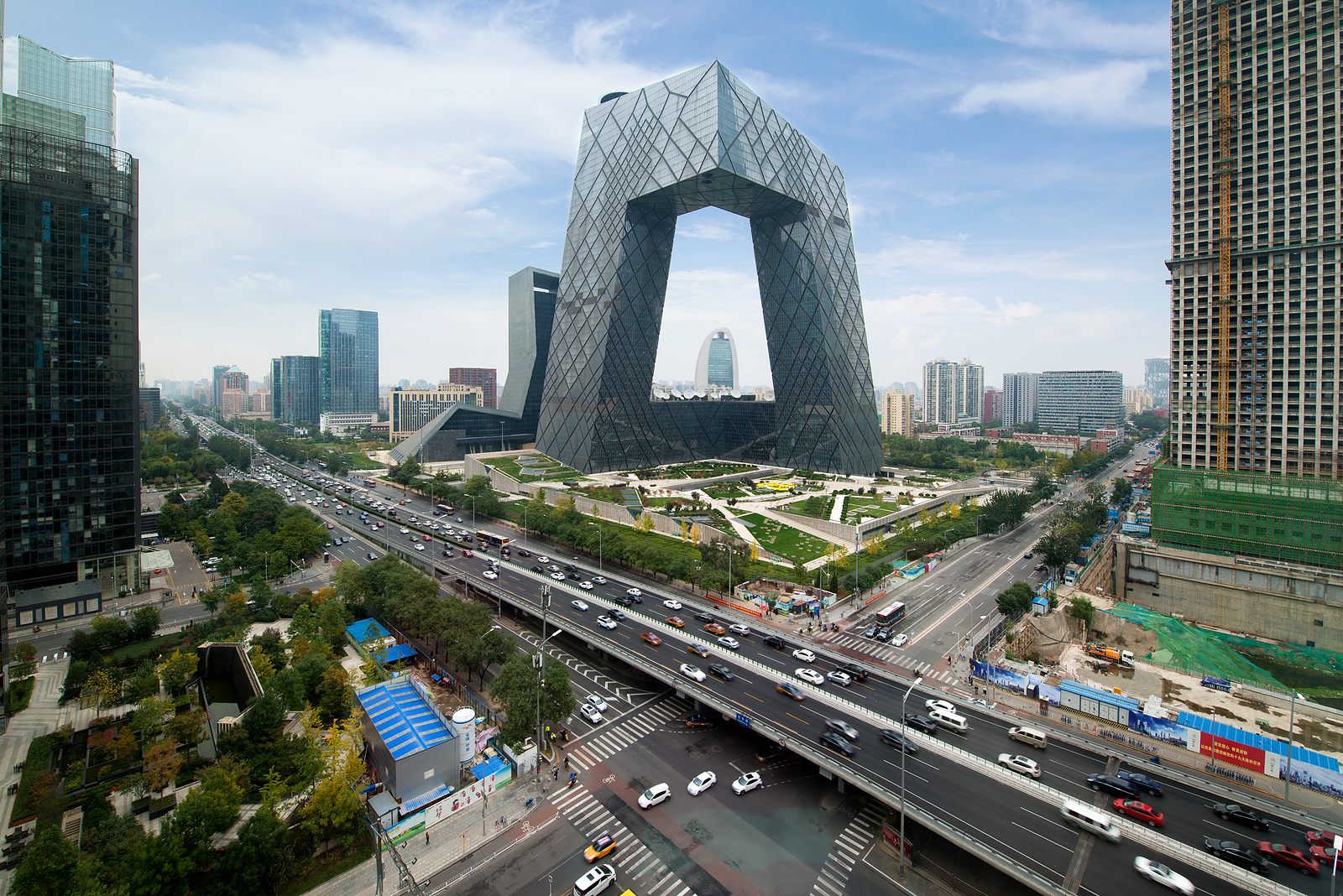
A global power reshapes markets through strategic influence on trade policies, technological advancements, and international relations. By leveraging its economic strength, such a nation can dictate terms that favor its industries, impacting global supply chains and altering competitive dynamics. For instance, a country may implement tariffs or sanctions to protect its own markets while pushing for favorable trade agreements that benefit its exports.
Additionally, investment in technology and innovation can shift market paradigms, as seen with advancements in renewable energy or digital industries. These innovations set trends that other nations follow, subsequently reshaping industry standards worldwide.
Moreover, cultural influence plays a significant role; a dominant nation can shape consumer preferences through media and branding, creating demand for its products internationally. This holistic approach not only transforms markets but also establishes a new economic order where emerging powers increasingly challenge traditional hegemony, leading to a more interconnected and competitive global landscape.
For more details and the full reference, visit the source link below:
