
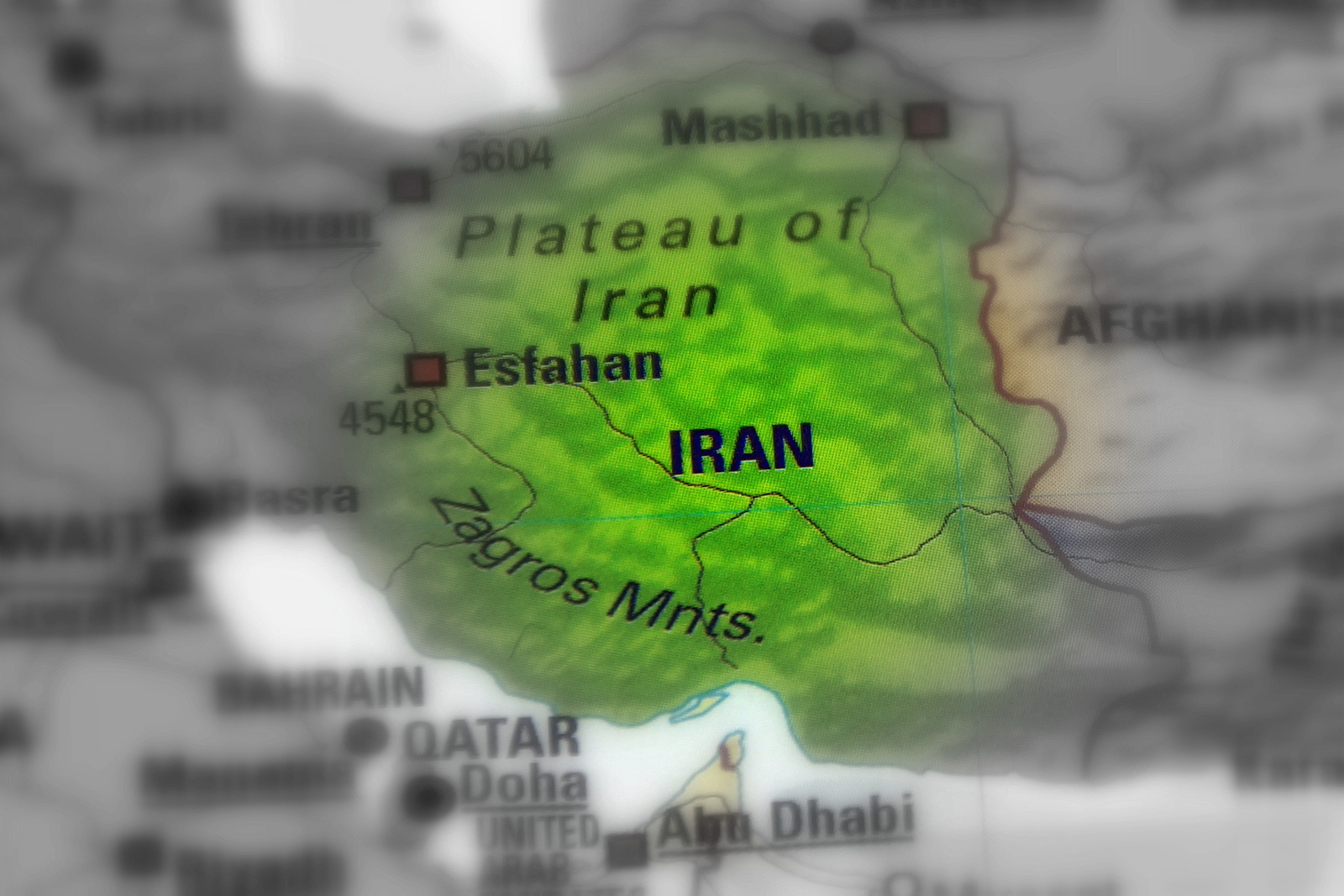
History: The evolution of human civilization has shaped societies, from ancient empires to modern nations, influencing governance, culture, and global dynamics.
Government: Various forms of governance, including democracies, monarchies, and authoritarian regimes, have emerged over centuries. The balance of power, civil rights, and the rule of law are central themes in the political landscape.
Economy: Economic systems, ranging from feudalism to capitalism and socialism, reflect societies’ values and priorities. Globalization has interconnected economies, fostering interdependence and challenges, like inequality and environmental concerns.
Culture: Cultural expressions, including art, music, and traditions, reflect the identity of societies. These elements contribute to social cohesion and influence global perceptions, with cultural exchanges enhancing mutual understanding.
Global Influence: Nations wield power through soft and hard means, shaping international relations, trade, and cultural diffusion. Global challenges like climate change and health pandemics emphasize the need for collaboration in an increasingly interconnected world.
For more details and the full reference, visit the source link below:
