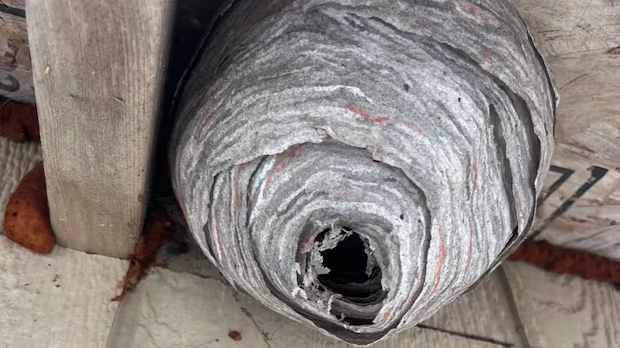
Researchers are increasingly intrigued by unique wasp nests, particularly those exhibiting unusual structures or behaviors. These nests can offer valuable insights into the wasp species’ ecology and social dynamics. For instance, some nests showcase intricate designs, reflecting the wasps’ building capabilities and the environmental conditions they adapt to. Observing different nests allows scientists to study variations in architecture, material use, and the impact of climate change on these insects.
Additionally, researchers are keen to explore the symbiotic relationships that may exist within these nests, including interactions with other species. By investigating these nests, they hope to uncover patterns in wasp behavior, predator-prey dynamics, and the role of wasps in pollination and pest control.
Public engagement is crucial; finding a wasp nest can spark curiosity and encourage citizen science initiatives. The excitement around these discoveries underscores the importance of preserving biodiversity and understanding ecological interactions. Researchers invite anyone who encounters such nests to share their findings to aid in this important work.
For more details and the full reference, visit the source link below: