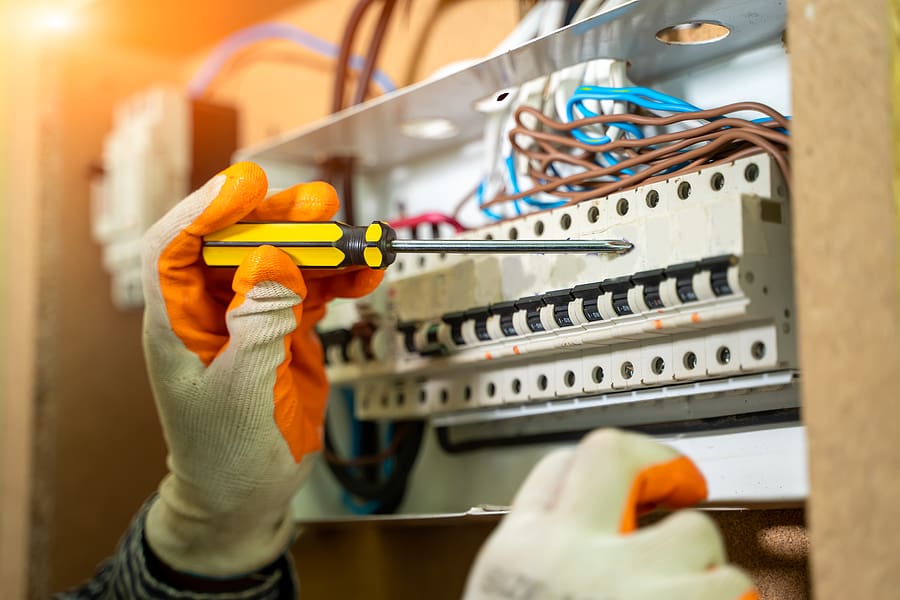
Electrical wiring codes are crucial for ensuring safety and functionality in electrical installations. Here are eight key requirements they typically cover:
-
Safety Standards: Codes establish safety practices to prevent electrical hazards, including shorts and fires.
-
Wiring Materials: Specifications for approved materials ensure durability and fire resistance, minimizing risk.
-
Installation Methods: Guidelines dictate proper installation techniques to enhance reliability and prevent wear over time.
-
Circuit Load: Regulations specify maximum load limits for circuits, avoiding overloads that can cause failure.
-
Grounding and Bonding: Requirements for grounding and bonding systems protect against electrical shock and ensure proper operation of devices.
-
Electrical Panel Access: Codes necessitate clear access to electrical panels for maintenance and emergency situations.
-
Breaker Sizing: Proper circuit breaker sizing is mandatory to protect wiring and devices from overload.
- Inspection Protocols: Regular inspections are mandated to ensure ongoing compliance with safety standards, identifying potential issues early.
Adhering to these requirements helps ensure safe, efficient electrical systems in homes and buildings.
For more details and the full reference, visit the source link below: